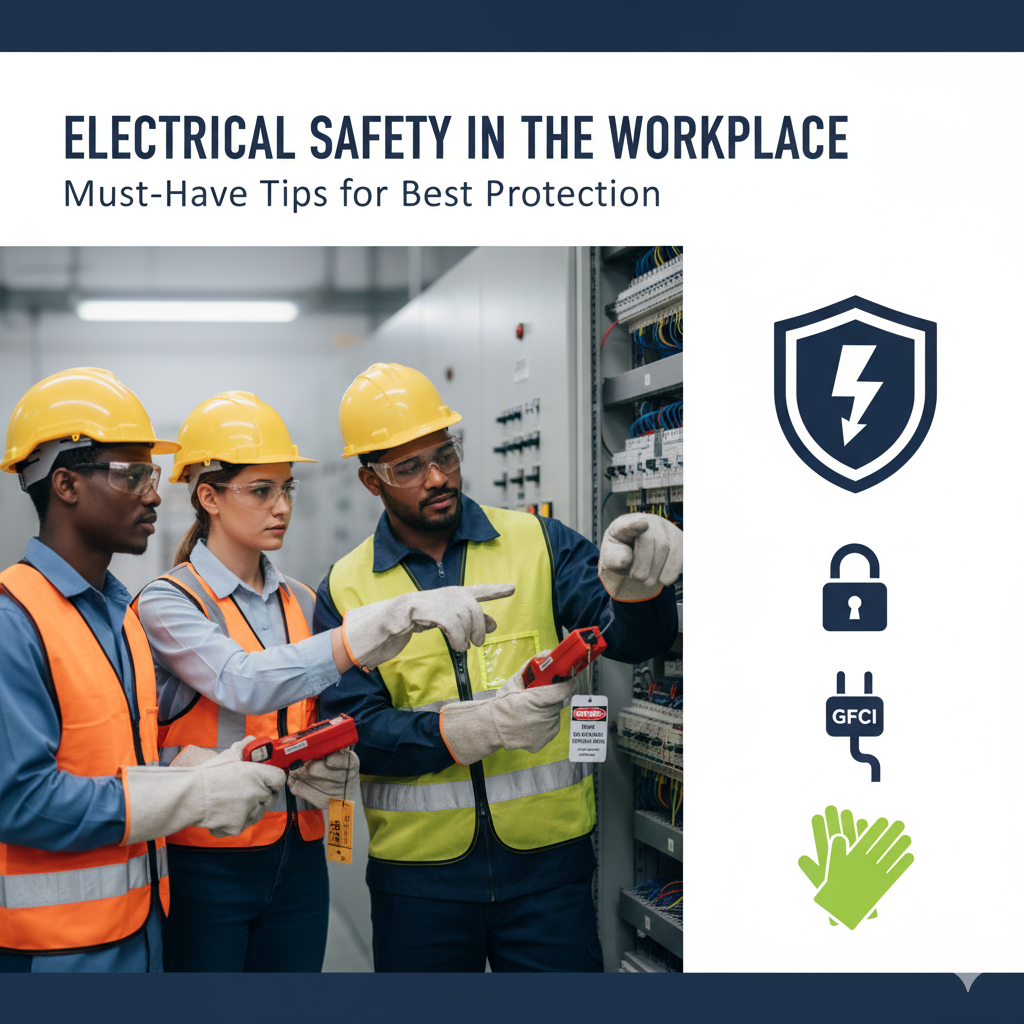
Electrical hazards are a serious risk in any workplace, with the potential to cause electric shocks, burns, and even death. Implementing robust electrical safety practices is crucial for protecting your employees and maintaining a safe working environment. Following these essential tips will help you minimize risks and ensure everyone goes home safely at the end of the day.
1. Know Your Equipment and Its Limitations
Before using any electrical equipment, it’s vital to understand its capabilities and proper use. Every piece of equipment, from power tools to machinery, has a specific purpose and operating instructions. Never use a tool for a task it wasn’t designed for. Always check for proper insulation, grounding, and any signs of damage before plugging it in.
- Tip: Regularly inspect all electrical cords and equipment for frayed wires, cracked casings, or damaged plugs. Immediately take any faulty equipment out of service and label it as “Do Not Use.”
2. Practice Proper Lockout/Tagout (LOTO) Procedures
When performing maintenance or repairs on equipment, Lockout/Tagout (LOTO) procedures are non-negotiable. LOTO ensures that dangerous machines or equipment are properly shut off and cannot be restarted unexpectedly. This prevents the release of hazardous energy during servicing activities.
- Tip: All employees authorized to perform LOTO must be properly trained. The procedure involves placing a lock on the equipment’s energy-isolating device and a tag that clearly states why the lock is in place and who applied it.
3. Maintain a Safe Working Distance
Always keep a safe distance from energized electrical equipment and power lines. This is especially important for workers who operate cranes, forklifts, or other equipment that could accidentally come into contact with overhead power lines.
- Tip: Use warning signs and physical barriers to clearly mark areas with high-voltage equipment. Educate all workers on the minimum safe approach distances.
4. Use Ground Fault Circuit Interrupters (GFCIs)
A Ground Fault Circuit Interrupter (GFCI) is a device designed to protect people from severe electric shocks. It works by monitoring the electrical current flowing in a circuit and, if it detects an imbalance (a “ground fault”), it quickly shuts off the power. GFCIs are particularly important in wet or damp environments where the risk of shock is higher.
- Tip: Install GFCIs on all temporary wiring and in areas where electrical equipment might be used near water sources. Test GFCIs monthly to ensure they are working correctly.
5. Ensure Proper Personal Protective Equipment (PPE)
Workers who handle live electrical parts must use appropriate Personal Protective Equipment (PPE). This includes items like insulated gloves, non-conductive hard hats, and safety shoes. The PPE acts as a barrier to protect the worker from electrical currents.
- Tip: Ensure all PPE is rated for the voltage level being worked with and is regularly inspected for any damage.
6. Stay Dry and Maintain a Tidy Workspace
Water and electricity are a dangerous combination. Never operate electrical equipment in wet conditions or with wet hands. Additionally, a cluttered workspace can lead to accidents. Keep aisles clear and ensure cords are not creating a tripping hazard.
- Tip: Use cord covers or secure cords overhead to keep them out of walkways. Clean up spills immediately to prevent electrocution hazards.
7. Regular Training and Audits
The most important safety measure is a well-trained workforce. Regular training sessions on electrical hazards, proper equipment use, and emergency procedures are essential. Conduct routine safety audits to identify potential electrical risks and ensure compliance with safety standards.
- Tip: Create a culture of safety where employees are encouraged to report any potential electrical hazards without fear of reprisal.
By implementing these best practices, you can significantly reduce the risk of electrical accidents and create a safer environment for everyone.
About the Author